

Carbon-in-Leach (CIL) Overview
Gold Recovery Carbon · CIL
YX & NS Series Carbon Application
In the CIL process, activated carbon contacts slurry in the same tanks as leaching. YX & NS Series Activated Carbon support large-scale throughput with robust performance and efficient carbon transfer.
APPLICATION DETAIL
In the CIL process, activated carbon contacts slurry in the same tanks as leaching. YX & NS Series Activated Carbon support large-scale throughput with robust performance and efficient carbon transfer.
Carbon-in-leach (CIL) combines cyanide leaching and carbon adsorption in the same series of agitated tanks, shortening the process and reducing in-circuit gold inventory. Activated carbon must withstand agitation and continuous transfer.
Key Benefits
- Leaching and adsorption take place in the same tanks
- Large tank configurations for high-throughput plants
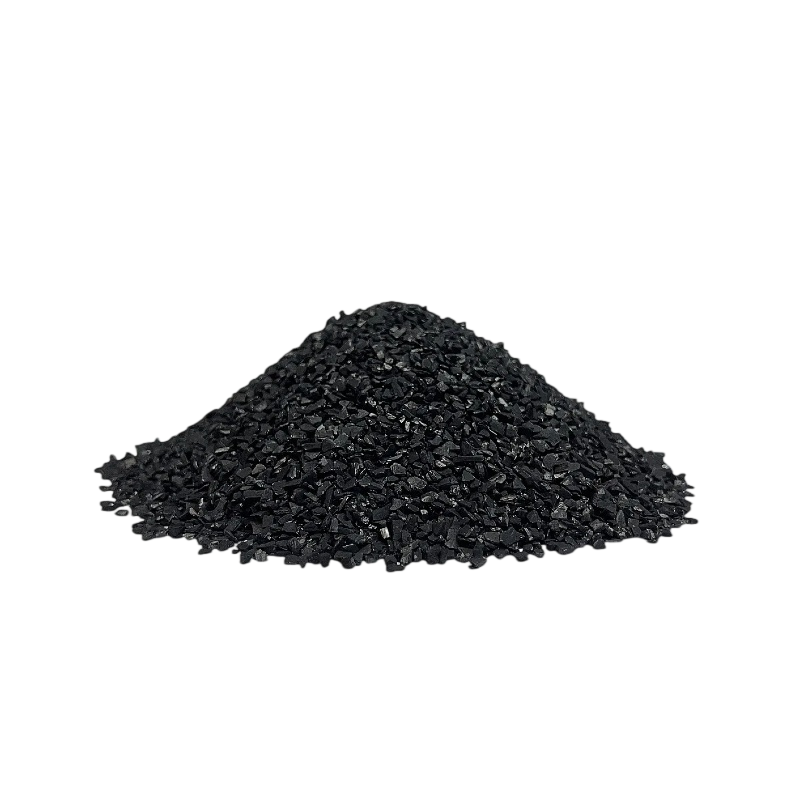
- Choose G11 for hardness or G12 for higher activity based on ore conditions
- Supports an integrated elution, electrowinning and carbon regeneration circuit
Design Parameters
YX & NS G11 · Typical CIL Design Parameters
| Processing capacity | 250,000 t / month |
|---|---|
| Head grade | 4 g/t |
| Pulp flow rate | 475 m³/h |
| CIL adsorption tanks | 8 |
| Tank volume | 1,780 m³ |
| YX-carbon G11 carbon charge | 20 t / tank |
| G11 carbon transfer rate | 5.5 t / day |
YX & NS G12 · Typical CIL Design Parameters
| Processing capacity | 250,000 t / month |
|---|---|
| Head grade | 4 g/t |
| Pulp flow rate | 475 m³/h |
| CIL adsorption tanks | 8 |
| Tank volume | 1,780 m³ |
| YX-carbon G12 carbon charge | 20 t / tank |
| G12 carbon transfer rate | 6 t / day |